 +971527984766
 sales@techgropse.ae





























TechGropse redefines your business operations with AI-native engineering services in the UAE. We are an award-winning AI-native app development company with expertise in building customized AI solutions to integrate intelligence into your core business operations.
AI-native refers to software engineered around artificial intelligence as its foundational operating layer, rather than adding AI features to conventional applications.
UAE enterprises see AI as a driver of long-term growth.
Average planned increase in AI investment by UAE organisations by 2026.
Of surveyed DIFC-authorised firms reported using at least one form of AI in 2026.
From enterprise AI-Native software engineering to participation in the UAE's technology ecosystem, we bring technical expertise and industry exposure to ambitious digital transformation initiatives.
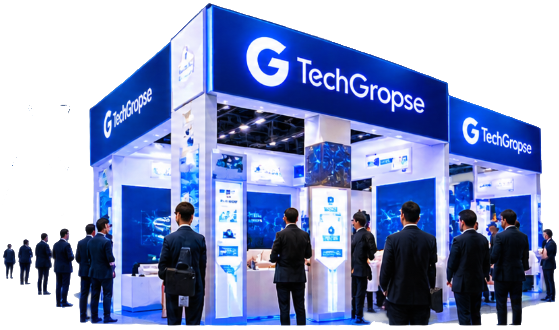
Showcased our technology capabilities and engaged with the global technology ecosystem at one of the region's leading technology exhibitions.
Get A Free QuoteNot every application that uses artificial intelligence is AI-native. AI-enabled software introduces selected AI features, while AI-powered applications rely more heavily on AI-driven capabilities. AI-native applications embed intelligence into their core workflows, data infrastructure, and decision-making.

Traditional software + selected AI features

Heavy reliance on AI-driven capabilities

Intelligence embedded at the core
As an AI-Native App Development Company, TechGropse engineers intelligent applications that embed AI models, autonomous agents, and contextual data processing into enterprise workflows. We help UAE businesses modernise operations through secure, scalable, and integration-ready AI-native solutions.








Every AI-native application requires more than model integration. TechGropse, an award-winning AI-Native Agency, connects business objectives with architecture decisions, agent development, model evaluation, and production monitoring. Each phase has defined engineering outcomes, validation checkpoints, and deployment milestones.
We examine your existing workflows, data sources, application dependencies, and operational bottlenecks to determine where AI-native architecture can deliver measurable business value.
We define how foundation models, AI agents for enterprise, retrieval pipelines, databases, APIs, and enterprise systems will interact. Architecture decisions account for security, scalability, latency, and infrastructure costs.
Our specialists develop application components, connect AI models, configure agent workflows, and implement enterprise integrations. Development progresses through functional releases rather than waiting for the entire system to be completed.
We test AI outputs against defined quality benchmarks, challenge agent behaviour under different scenarios, and assess security vulnerabilities. Guardrails and human approval mechanisms are introduced wherever workflows require controlled execution.
Following deployment, we monitor model behaviour, infrastructure performance, token consumption, and application reliability. Observability dashboards and feedback loops help identify performance regressions and guide subsequent improvements.
At TechGropse, we engineer Arabic-enabled AI-native applications that understand regional language patterns, process multilingual information, and deliver context-aware interactions. From Emirati Arabic experiences to Arabic-English AI agents, we help UAE businesses build intelligent solutions for regional audiences.





TechGropse integrates Arabic NLP capabilities to help enterprise applications interpret linguistic structures, contextual meaning, and business terminology.
We develop voice-enabled AI applications that process spoken Arabic and generate relevant responses for natural business interactions.
TechGropse engineers multilingual AI experiences that account for Arabic language variations across the UAE and wider GCC region.
We build intelligent conversational agents that understand user intent and communicate in Arabic or English across enterprise applications.
Our AI engineers integrate document intelligence capabilities to extract, classify, and interpret information from Arabic business documents.
TechGropse develops AI-native applications with language and interface capabilities designed for Arabic-speaking users.
Bring your most ambitious technology objectives to life with AI-native engineering. Partner with TechGropse to architect intelligent applications, orchestrate autonomous workflows, and establish an AI foundation built for your enterprise's next phase of growth.
Discuss Your AI-Native ProjectExplore how intelligent automation, predictive models, and AI-driven application architecture address complex operational challenges across industries. As an AI-Native company, TechGropse turns business requirements into production-ready solutions with measurable improvements in efficiency, engagement, and operational performance.
Zayed University is one of the top educational institutions in the GCC. It is known for delivering its excellent academic and research programs to students.
View Case study
Sorise is a new AI-based application that is meant to revolutionize the teaching and learning field.
View Case study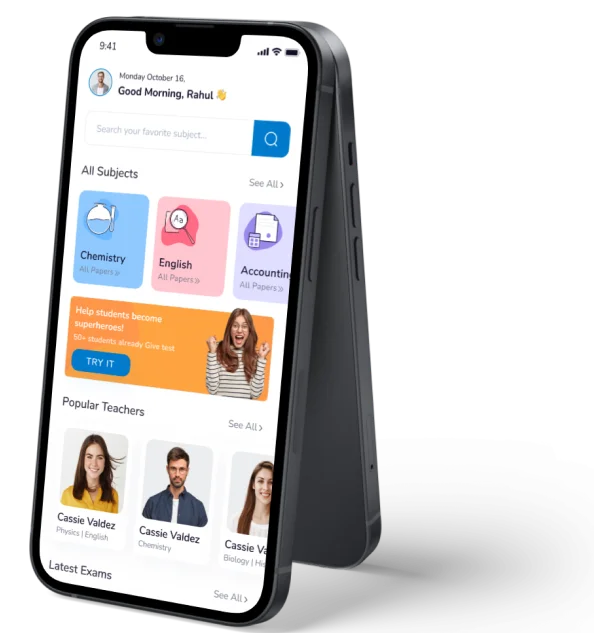
Verento is a real estate AI property scanner app to help tenants and lessors with move-in and move-out analysis.
View Case study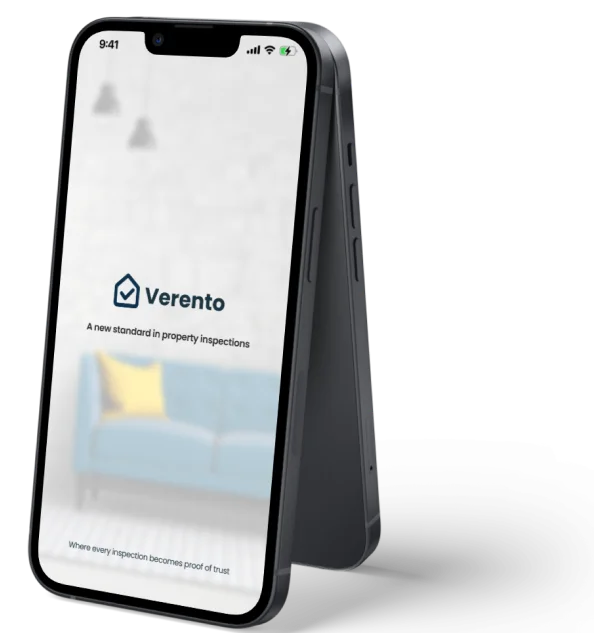
Building AI-native applications for the UAE market requires more than access to foundation models. We account for regional data requirements, Arabic-language interactions, enterprise integrations, and deployment constraints when engineering applications for UAE businesses.
Everything you need to know about our AI-Native development process, security protocols, and delivery timelines.
Speak directly with our senior AI engineers to discuss your specific enterprise requirements and constraints.
Talk to an ExpertIn the UAE, a focused AI-native MVP typically costs AED 60,000–150,000. Mid-complexity applications may range from AED 150,000–350,000, while enterprise platforms can exceed AED 350,000. AI-native development cost in the UAE depend on app complexity, model selection, and infrastructure requirements. Agentic workflows, custom model training, and third-party integrations increase development expenses. We assess your requirements before preparing a project-specific estimate.
AI-enabled applications introduce artificial intelligence into existing software through selected features, such as chatbots or recommendations. AI-native applications take a different architectural approach. Their core workflows, data pipelines, and application logic are designed around AI capabilities. This allows intelligence to influence multiple business operations rather than isolated functions.
Yes, AI agents can operate on UAE-hosted infrastructure, depending on model and deployment compatibility. We can architect agentic systems using UAE-region cloud environments, private infrastructure, or on-premises deployments. This approach helps enterprises address data residency requirements while maintaining control over application access, processing, and integrations.
A functional enterprise AI agent can take approximately 6–12 weeks, depending on its complexity and integration requirements. Basic agents require fewer development cycles than multi-agent systems. Enterprise authentication, API integrations, evaluation frameworks, and security testing also influence delivery timelines. As a trusted AI-Native Enterprise Service Provider, we establish milestones after technical discovery.
Enterprise data protection depends on deployment architecture, model configuration, and access controls. We implement encryption, role-based permissions, audit trails, and controlled data access. Depending on project requirements, applications can use UAE-region cloud infrastructure or private deployments. Data storage and processing locations are defined before implementation.
Yes, we can develop Arabic-English AI solutions for UAE business environments. Our implementations can support Arabic NLP, bilingual conversational agents, multilingual document processing, and Arabic content generation. We also evaluate dialect handling, right-to-left interfaces, and language-specific model performance to improve usability across regional audiences.

